More Than Music Television
Music was central to The Uncle Floyd Show from the beginning. Floyd was an accomplished pianist specializing in vaudeville-style playing and old standards, while the program also became an early television platform for punk, new wave, and alternative performers that mainstream shows often overlooked.
NOTABLE MUSICAL GUESTS
The Ramones
Made multiple appearances and referenced the show in their song "It's Not My Place"
Bon Jovi
Jon Bon Jovi appeared before achieving international fame
The Smithereens
The New Jersey rock band made early television appearances
Cyndi Lauper
Performed during her rise to stardom
Tiny Tim
The eccentric ukulele player made frequent appearances
Squeeze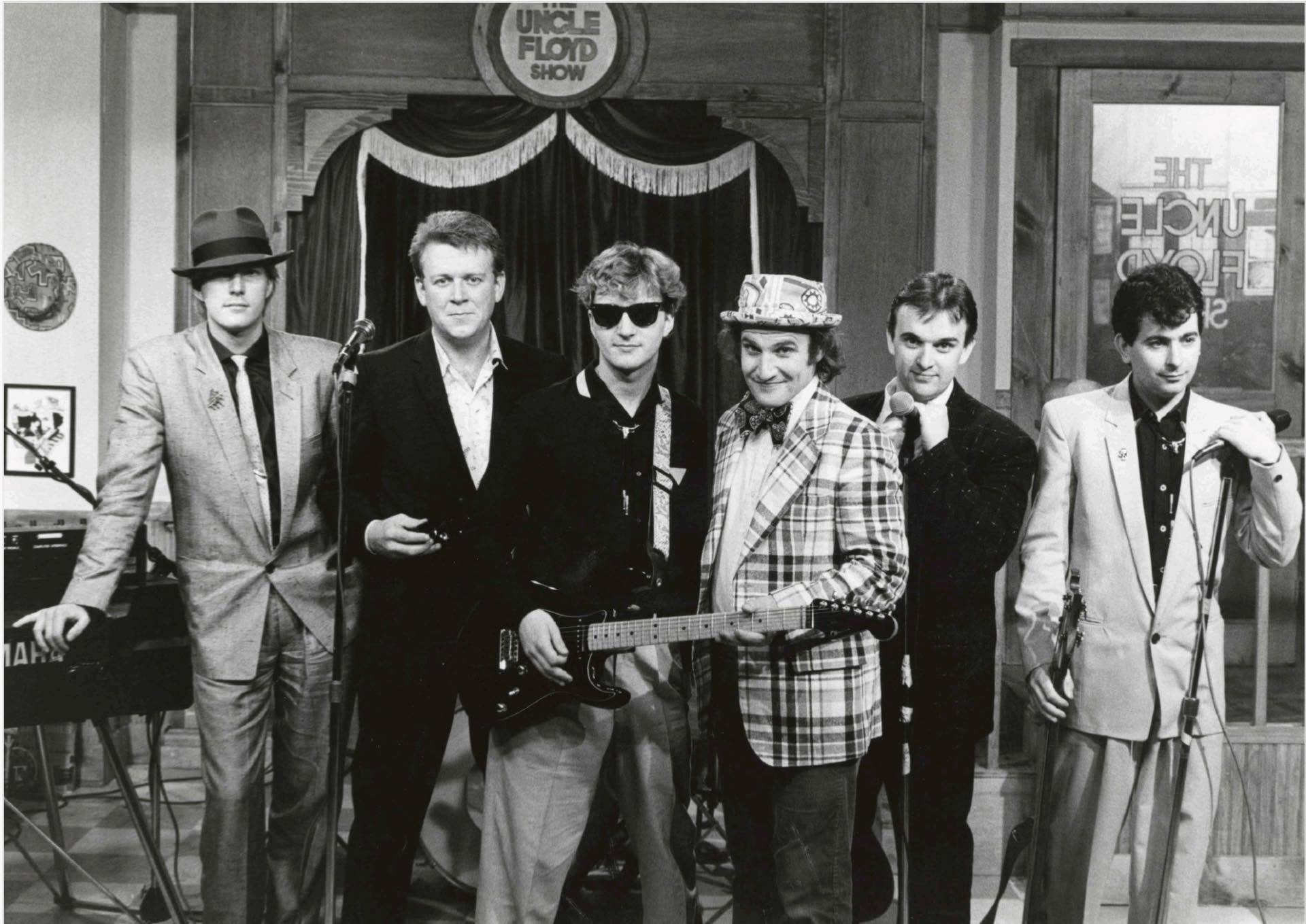
The British new wave band brought its distinctive sound
David Johansen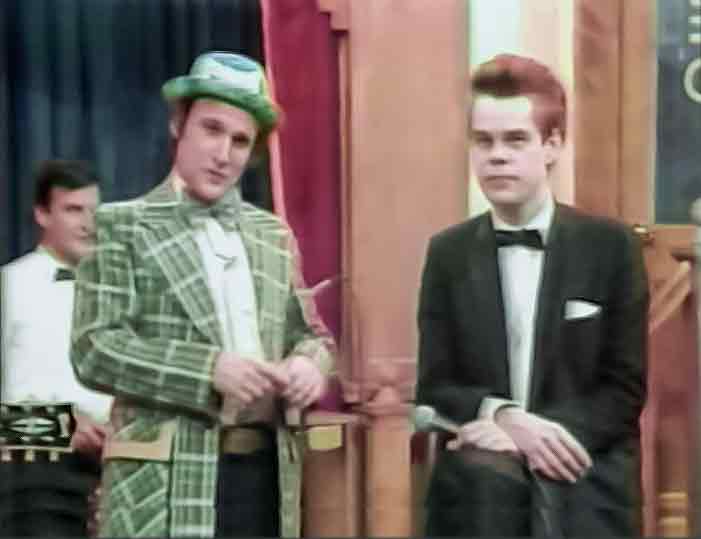
Appeared both as himself and as Buster Poindexter
Peter Tork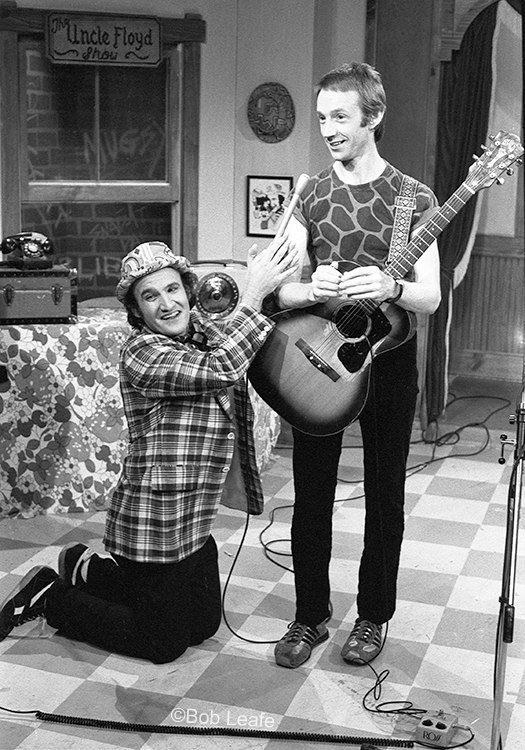
The Monkees musician appeared with Floyd on the studio set
Joe Jackson
The British singer-songwriter showcased his new wave credentials
Performances were often lip-synched because of technical limitations, adding to the charmingly awkward aesthetic of the program. The appearances introduced viewers to artists and sounds rarely seen on conventional television.
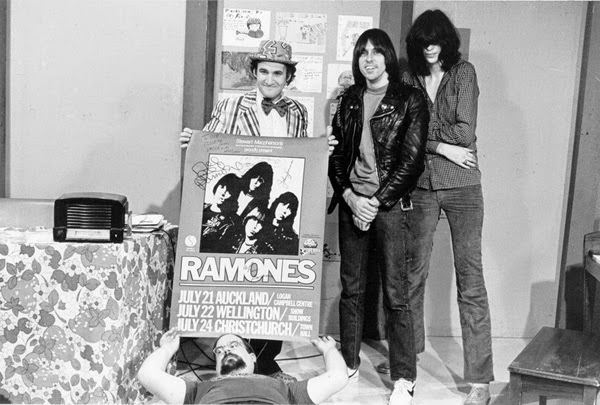
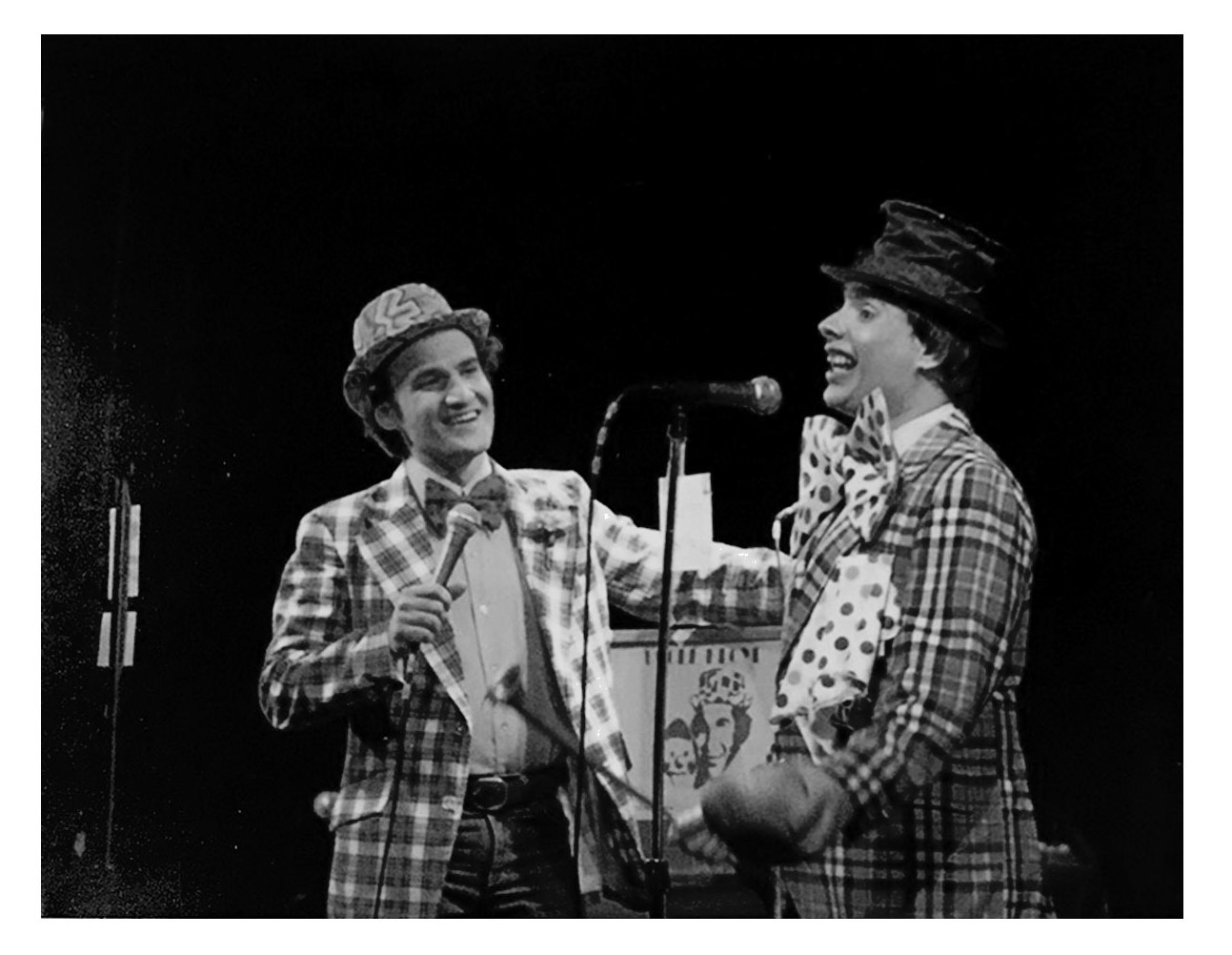
The photographs featured here are quite special as they were taken on-set during the show's run. In particular, the cast photograph and LP cover are among those from the amazing career of Bob Leafe bobleafe.com.
Artie Delmar (David Burd) helped book many of the acts. Singer Paul Simon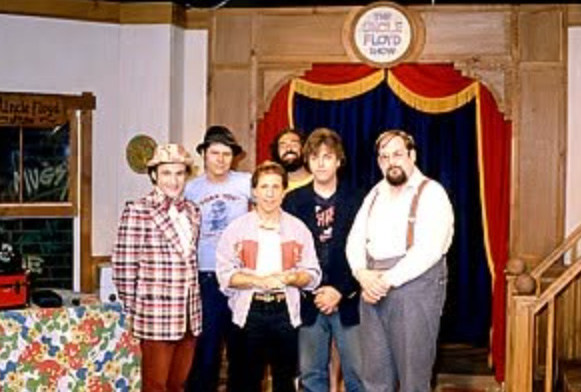 reportedly tried several times to reach Floyd, but a receptionist—unconvinced that anyone famous would be calling—never passed along the message. The show also created musical parodies through Mugsy Calam's characters, including Bruce Stringbean, Neil Yuck, Tom Waste, and Ricky Reggae, backed by musicians such as Netto and Charlie Stoddard.
The program occupied a singular place where vaudeville comedy, local television, punk, and new wave met. Its musical story continued beyond the studio through Floyd's live appearances and the Vivino Brothers Band.
Live Performances: The Bottom Line and Beyond
THE BOTTOM LINE
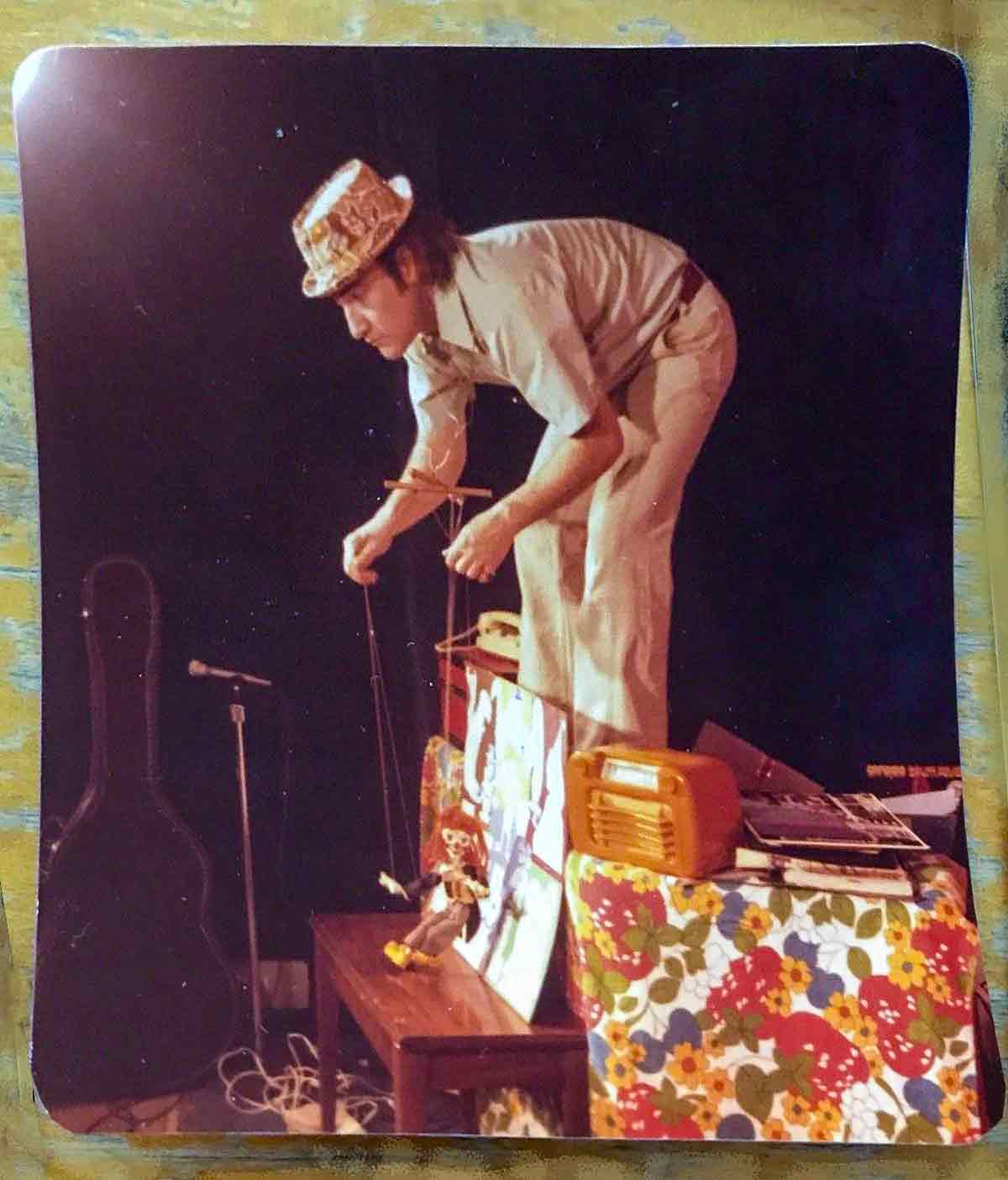
The Uncle Floyd Show's influence extended beyond the small screen, with legendary live performances, particularly at The Bottom Line in Greenwich Village. This iconic music venue, which opened the same year as Uncle Floyd's debut (1974), provided a physical gathering space for the show's growing cult following.
Uncle Floyd's appearances at The Bottom Line became special events that sold out rapidly. During one notable performance, the show broke the record for the fastest sell-out of advance tickets in the venue's history. These live shows featured the cast performing sketches and musical numbers, sometimes with the Vivino Brothers Band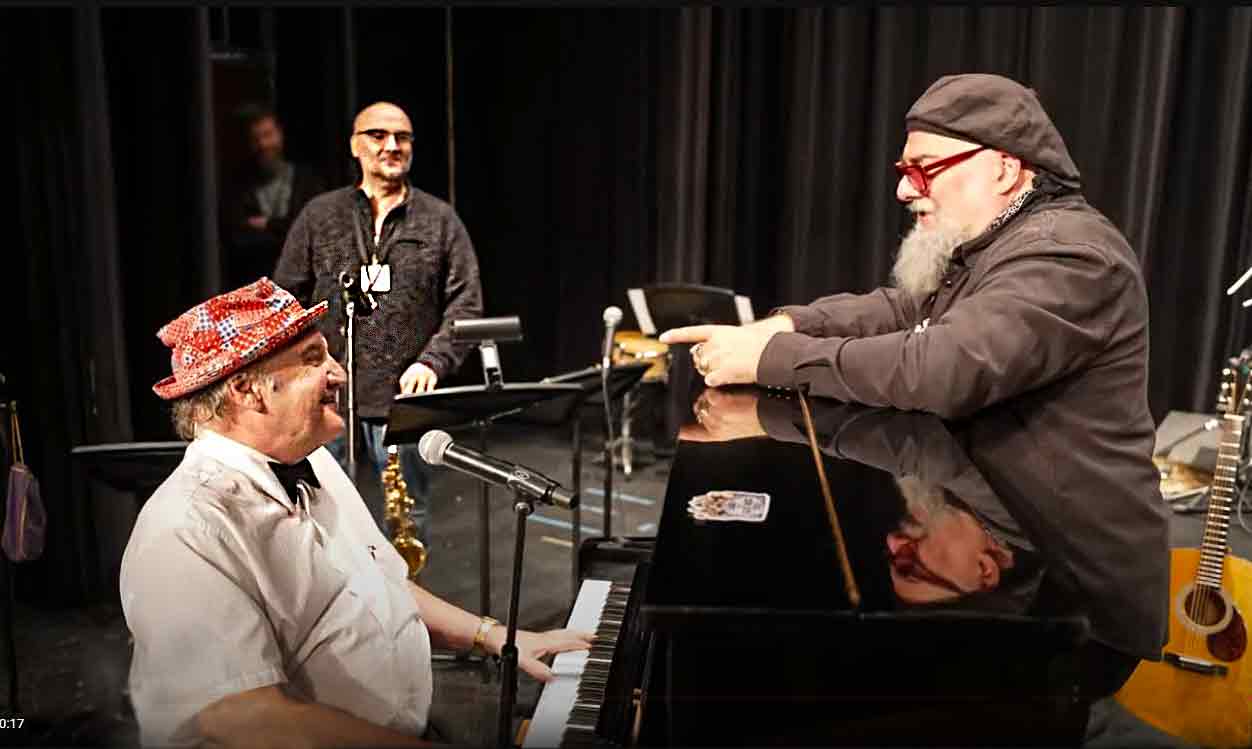 providing musical accompaniment.
The Bottom Line performances attracted notable audience members:
- David Bowie attended a show and came backstage afterward to tell Floyd and the cast he was a big fan, having been introduced to the program by John Lennon. This connection would later be immortalized in Bowie's 2002 song "Slip Away."
- Soupy Sales, one of Floyd's comedy influences, attended a Bottom Line performance, told Floyd he loved the show, and returned to see it again the following year.
Other live performances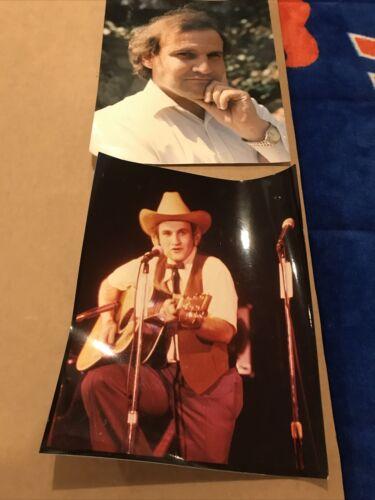 took place at venues across New Jersey and New York, including:
- A reunion of the original cast at the Rahway Theater
- Regular appearances at state fairs and local events
- The "Uncle Floyd Revue" at various clubs and theaters
Page 5 of 6