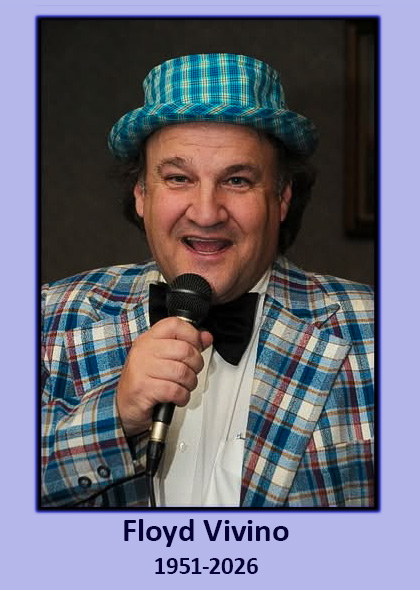
In the ever-expanding universe of 1970s television, somewhere between the soap operas and game shows on the UHF dial, there existed a strange, wonderful anomaly called The Uncle Floyd Show. At first glance, it appeared to be just another local children's program—a plaid-jacketed host with a bow tie and derby hat, surrounded by puppets and homemade props. But anyone who lingered for more than five minutes discovered something altogether different: a gleefully subversive blend of vaudeville comedy, punk rock showcase, and improvisational madness that somehow captivated both neighborhood kids and rock stars alike.
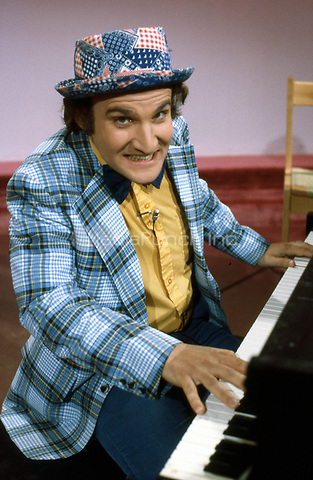
From 1974 to 1998, this low-budget New Jersey program built an unlikely empire on cardboard sets, characters with names like "Looney Skip Rooney," and musical guests who would soon dominate MTV. What began as a simple cable access show evolved into a cultural institution that counted David Bowie, John Lennon, and The Ramones among its devoted fans.
"Among some of the people who watched and loved THE UNCLE FLOYD SHOW were The Ramones, Paul Simon, David Bowie (who called Uncle Floyd 'One of the BEST "Barrelhouse" piano players I've ever heard'), Iggy Pop, John Lennon, and dozens of others."
A Television Anomaly
The Uncle Floyd Show was television at its most unfiltered—chaotic, occasionally brilliant, and impossible to replicate in today's hyper-produced media landscape. In an era when most television programs were becoming increasingly polished and corporate, Uncle Floyd zigged where others zagged, embracing imperfection in a way that connected deeply with its audience.
The show's aesthetic reflected its independent spirit: the set often consisted of just a brown wall adorned with viewer-drawn pictures, props were scavenged from thrift stores, and technical mishaps weren't edited out—they became part of the show's DNA. When something went wrong—as it frequently did—the crew would simply "just keep taping!"
Broadcast from a humble studio in New Jersey, initially on UA-Columbia Cable TV and later on UHF channel 68 (which underwent several call sign changes), the show operated on the fringes of mainstream television. This position on the dial's outer limits gave Floyd and his cast the freedom to experiment in ways that wouldn't have been possible on network TV.
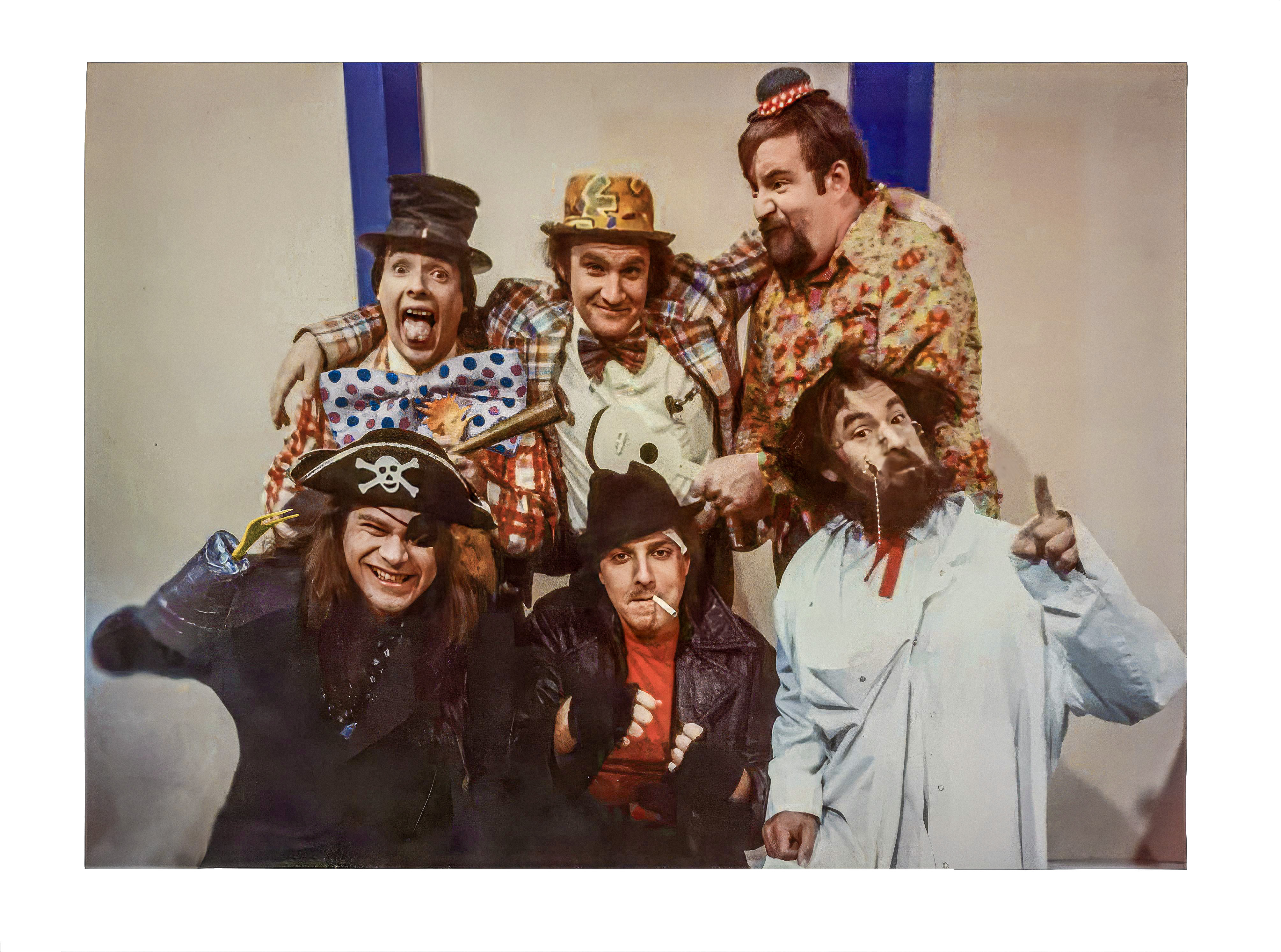
More Than Just a Local Oddity
What made The Uncle Floyd Show transcend its humble origins was its genuine authenticity. In an increasingly manufactured entertainment landscape, Floyd and his motley crew offered something real—a group of friends having fun and inviting the audience to join in. The show felt like a secret handshake, a wink to those viewers who got the joke.
For New Jersey residents, the show had special significance. As one longtime viewer noted: "The fact that it was a NJ show was important... In northern NJ, we watch New York stations because New York City is not far away and its news media has always been criticized for not reporting enough on NJ. So to watch a home grown TV show like Uncle Floyd seemed to be a special treat."
But the show's appeal extended far beyond New Jersey pride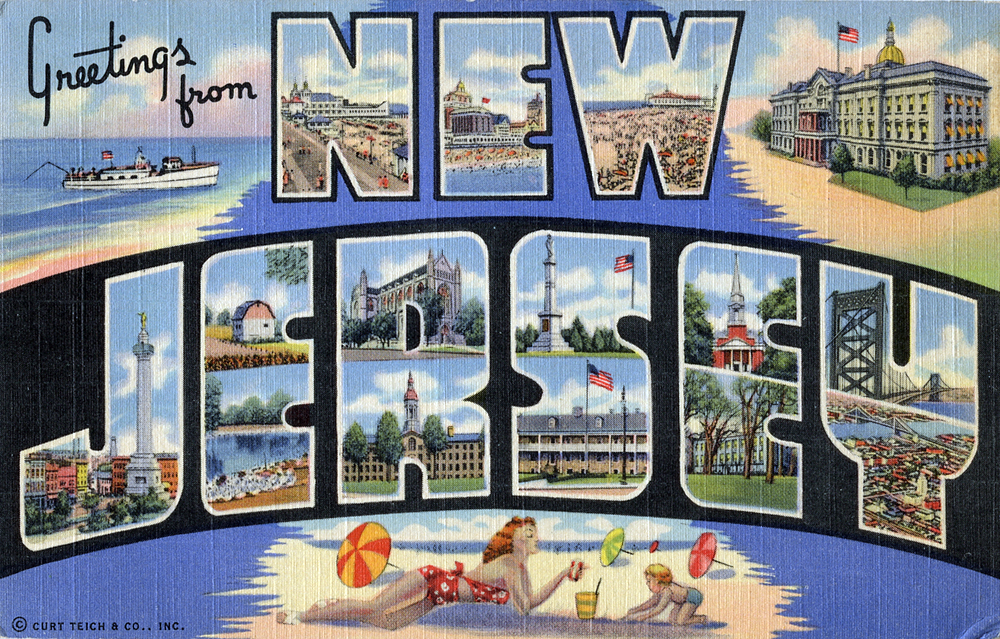 . Its blend of nostalgia (with nods to vaudeville, burlesque, and early television) and cutting-edge sensibility (showcasing punk and new wave artists before MTV existed) created a unique cultural position that resonated with an eclectic audience—from suburban families to downtown New York scenesters.
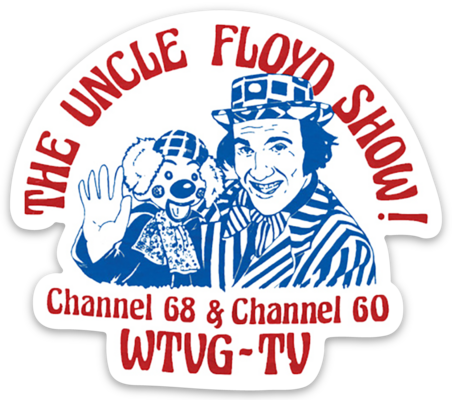
While the specific characters, sketches, and set pieces would evolve over the show's two-decade run, that core spirit of anarchic fun remained constant—a testament to Floyd Vivino's singular vision and the dedicated cast and crew who brought it to life.
The following pages explore the rich, strange history of this unlikely cultural touchstone—from its humble beginnings in Paterson, New Jersey, to its eventual national syndication and lasting impact on music, comedy, and television.
Page 1 of 6